Charles Edenshaw
Haida
(1839-1920)
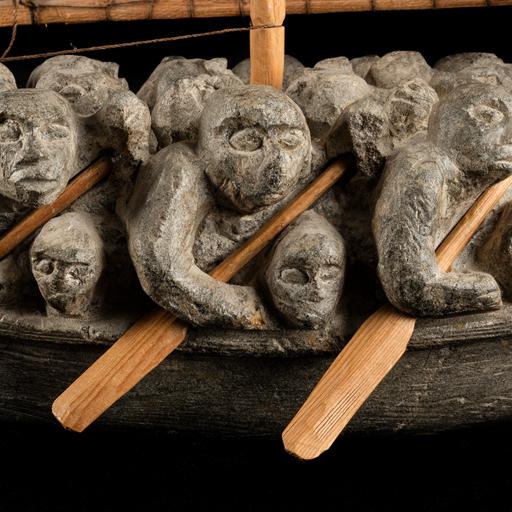
Charles Edenshaw was one of the first professional Haida artists. He was most likely born in 1839 in Skidegate, Haida Gwaii, British Columbia. He is best known for his dynamic forms, with fluid lines and balanced compositions of interconnected forms and negative space. Edenshaw worked with a variety of materials including wood, argillite, and precious metals, though most of his works were made of wood. He carved totem poles, both full-sized and models, boxes, and jewellery. Edenshaw painted many baskets and hats woven from spruce root by his wife, Isabella Edenshaw.
Charles and Isabella are not the only master crafters in the Edenshaw lineage. Their daughter Florence Davidson, grandson Claude Davidson, great-grandsons Reg and Robert Davidson, and great-great-nephew Bill Reid all went on to be well-known Haida artists.
Edenshaw was working through a period of extreme hardship. With the Potlatch ban, as well as the Smallpox epidemic of 1862 which reduced the Haida population from 30,000 to less than 600, Edenshaw’s commitment to preserving the culture and language of the Haida community will forever be a part of his legacy. He championed Haida culture not only through his art, but also through his meetings with anthropologists, curators, and collectors to record and document Haida culture as it was at risk of being lost to history.
Edenshaw died around 1920 in Masset, British Columbia, but his legacy and influence is still seen today through his inventive and adaptive approach to carving which is often referenced by contemporary carvers.