Frederick Alexcee (Wiksamnen)
Tsimshian Nation
(1853-1940)
Frederick Alexcee was active from the last quarter of the 19th century to approximately 1939. He was known for his imaginative, humorous, and inventive style, which brought together the past and present. He was born to a Ts’msyen mother and Haudenosaunee father, living in Lax Kw’alaams for most of his life. Alexcee's Tsimshian name was Wiksamnen, meaning Great Deer Woman.
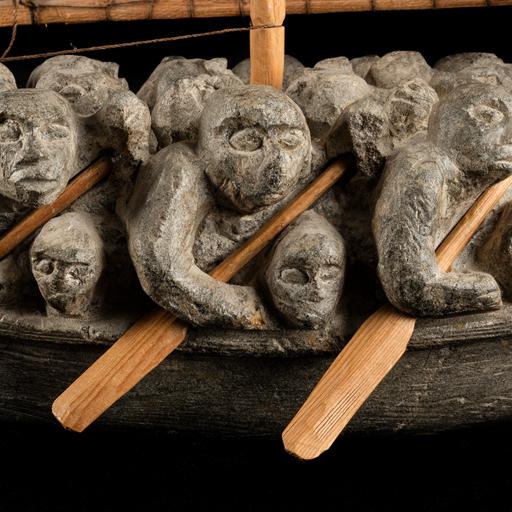
A self-taught artist, Alexcee produced landscapes representing his home, later utilizing his skills in painting to create “moving images” of Ts’msyen oral histories on glass lantern slides. He was known for his stunning landscapes, as well as his model totem poles, canoes, houses, and masks. This combination of traditional art and Western landscape represents the time in which he lived. Government interference discouraged traditional cultural practices, leaving him torn between two worlds without an exclusive attatchement to either. Alexcee found his place within the in-between to express both aspects of his experience.
His work was shown in the landmark exhibition, West Coast Art: Native and Modern at the National Gallery of Canada in 1927, and was the only living Indigenous artist included.
Exhibitions
- West Coast Art: Native and Modern, National Gallery of Canada, 1927